Six Risks Kids Need to Take for Healthy Development
Risky play is so important! And these 6 risks are so fascinating to learn about! They are wired into us at birth, meaning it’s natural and instinctual for kids to want to take these risks. Even adults! You don’t have to push kids into taking them, but when you see a child climbing, encourage and support it. Find a safe way for them to do this, not the bookshelf but maybe you let them use a step stool to climb onto the counter to sit there and help you stir the cornbread. Or make plans to take them to the park once a week to run and climb there. Just know these risks are instinctual and should be encouraged, not denied. Denying them in childhood brings about severe consequences later in life. Children who are denied risky play opportunities are more likely to engage in risky behaviors as teens and young adults such as smoking, drug use, premarital sex, gambling, and risky driving.
Here are the six risks!
1. Great Heights
What it is: Climbing and balancing on elevated surfaces.
What it teaches: Kids learn to navigate their environment and develop spatial awareness.
What it looks like for littles:
- climbing stools, stairs and ladders
- climbing onto a mini tramp and sitting there and playing with toys
- climbing and jumping on couches
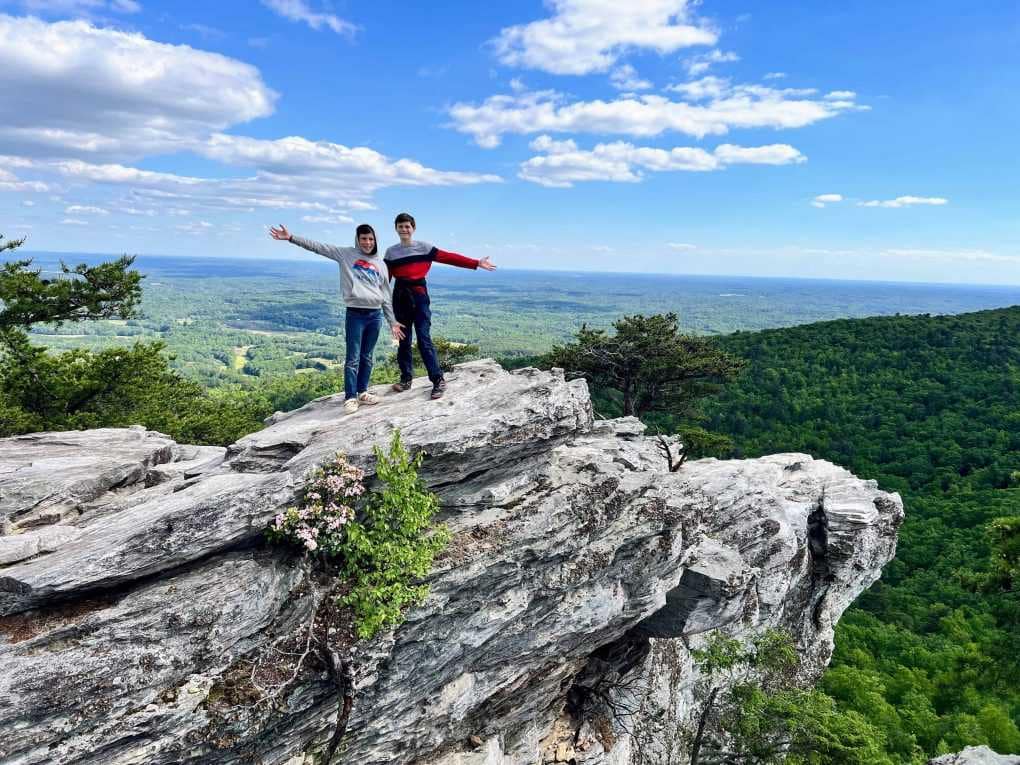
- standing or sitting on large rocks and boulders
- riding in little wagons
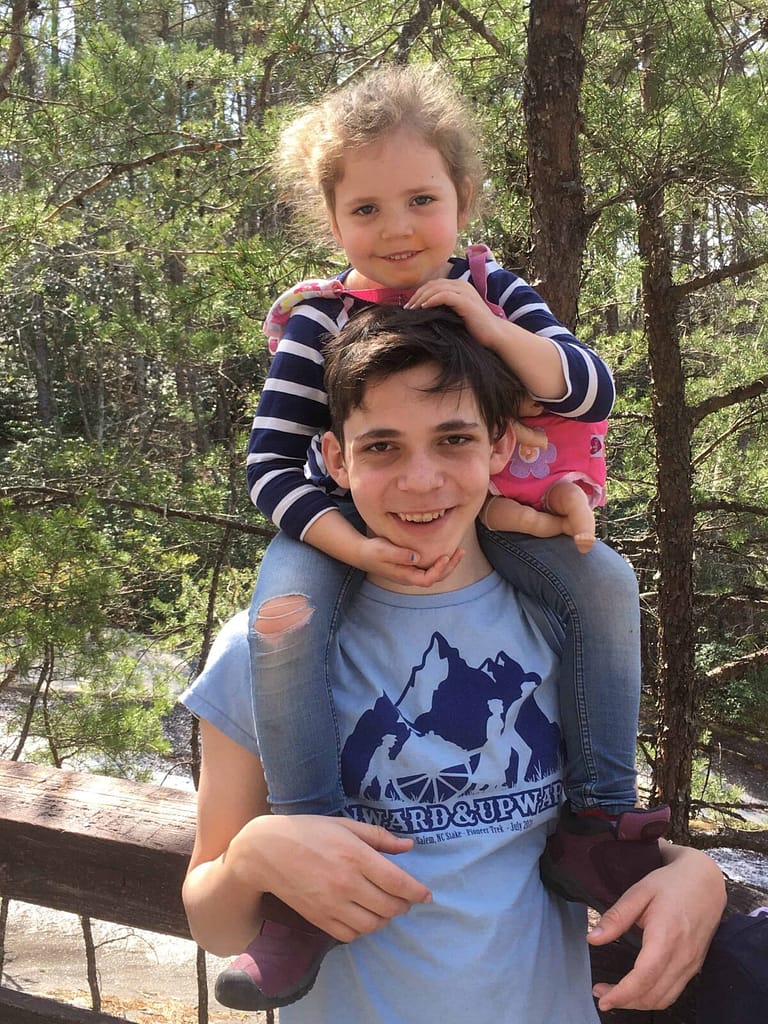
- riding on someone’s shoulders
For older kids:
- sleeping on the top bunk
- climbing onto sheds
- sitting on roofs
- climbing trees
- reading in lofts
- rock climbing
- sitting on counters
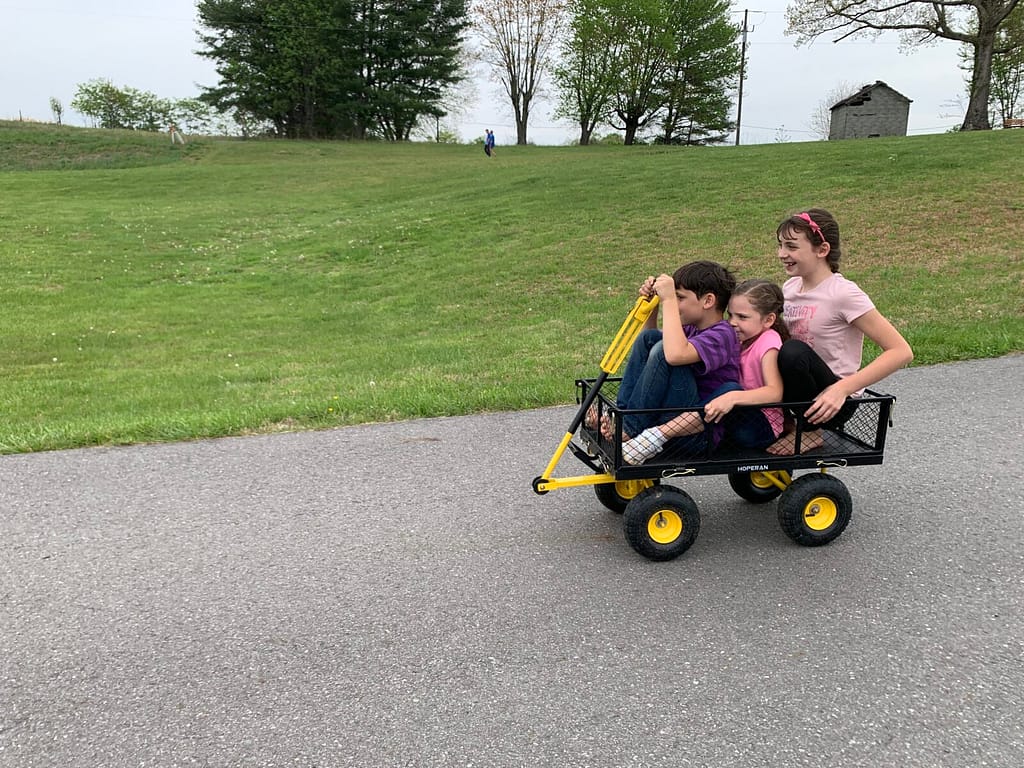
- riding in real wagons or pickup truck beds or top of a go-cart
For adults:
- sitting on balconies (think sitting on a balcony overlooking the ocean or mountain view. That feeling is what we’re all looking for when we crave the risk of being on elevated surfaces.)
- sitting on the couch and then pulling out legs up Indian-style
- driving tall trucks and buses
- riding on a double-decker bus
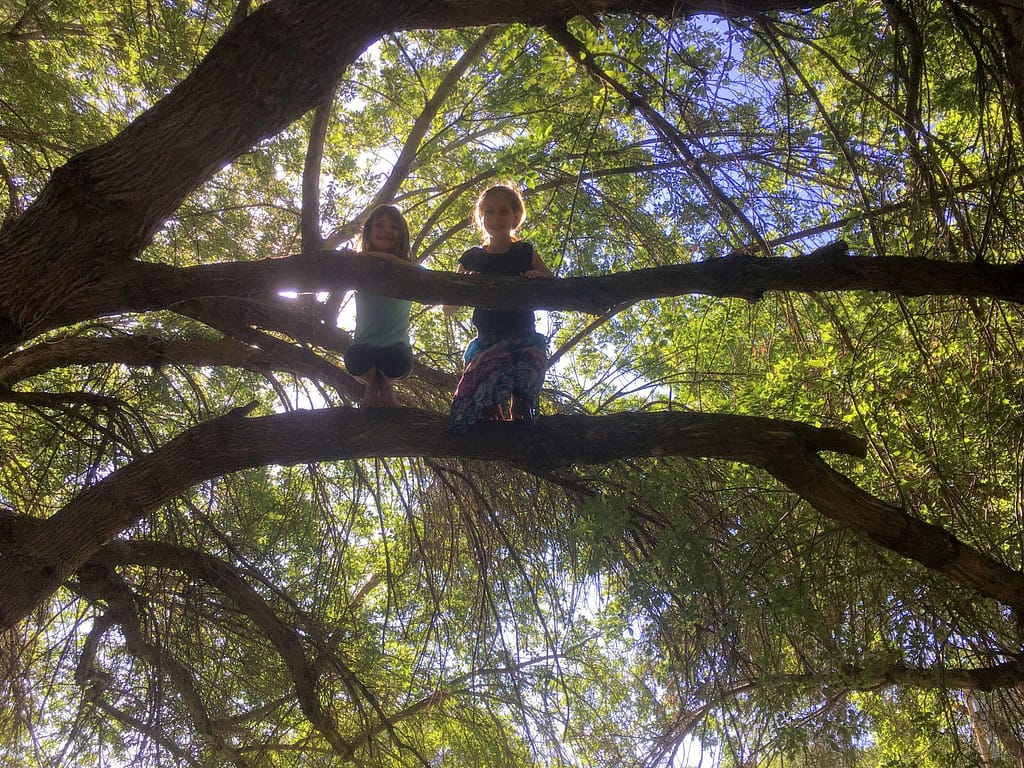
I had never realized before how even though I’m slightly afraid of heights, I do love to be up on something. I like having a high bed, love sitting on balconies, love climbing trees, etc. I thought these risks were for kids only, but they are actually for adults too! See how many apply to you and think of the feeling you get when you’re doing a risky thing such as a roller coaster or using a chain saw. Children are also seeking that thrilling feeling. So let them learn how to climb stairs at a young age (sometimes as young as 6 months.) Let them wade into rivers, ride 4-wheelers, use tools, start fires and all of these things if they show they’re interested!
2. High Speed
What it is: Exactly what it says. Traveling on anything (including feet) that goes fast.
What it teaches: Kids learn to manage their pace and momentum.
What it looks like for littles:
- rolling down hills
- pushing walkers around
- running
- swinging on swings
- sliding down slides
For older kids:
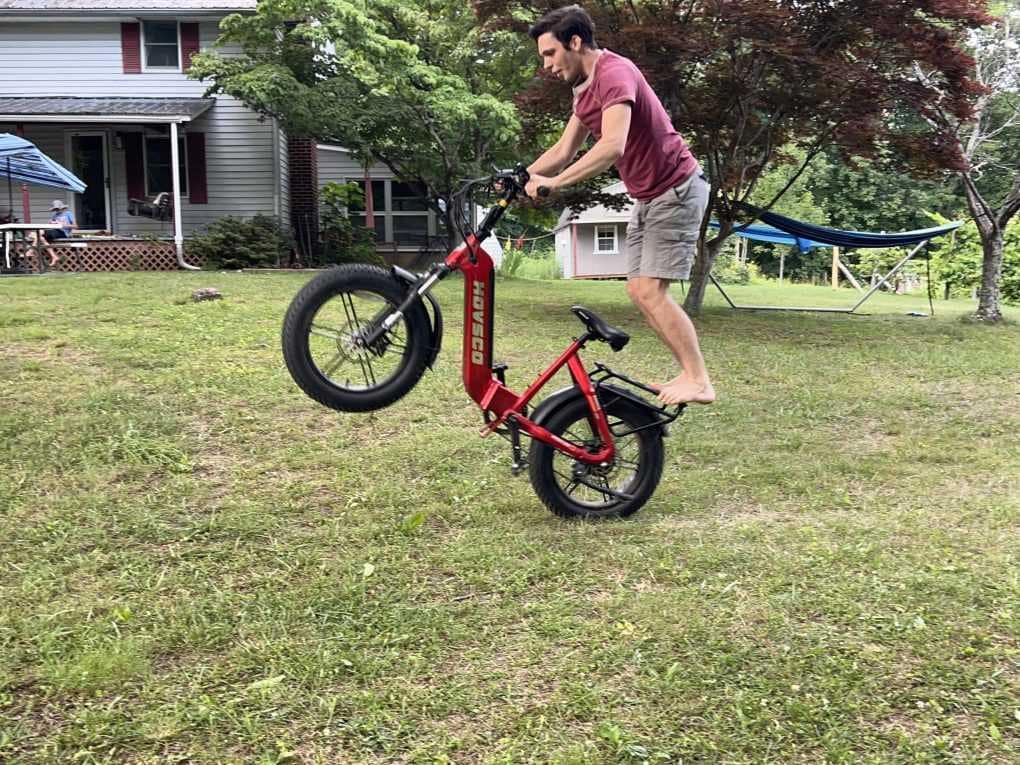
- riding bikes and scooters
- ziplining
- racing
- sliding down stairs
- roller coasters
- waterslides
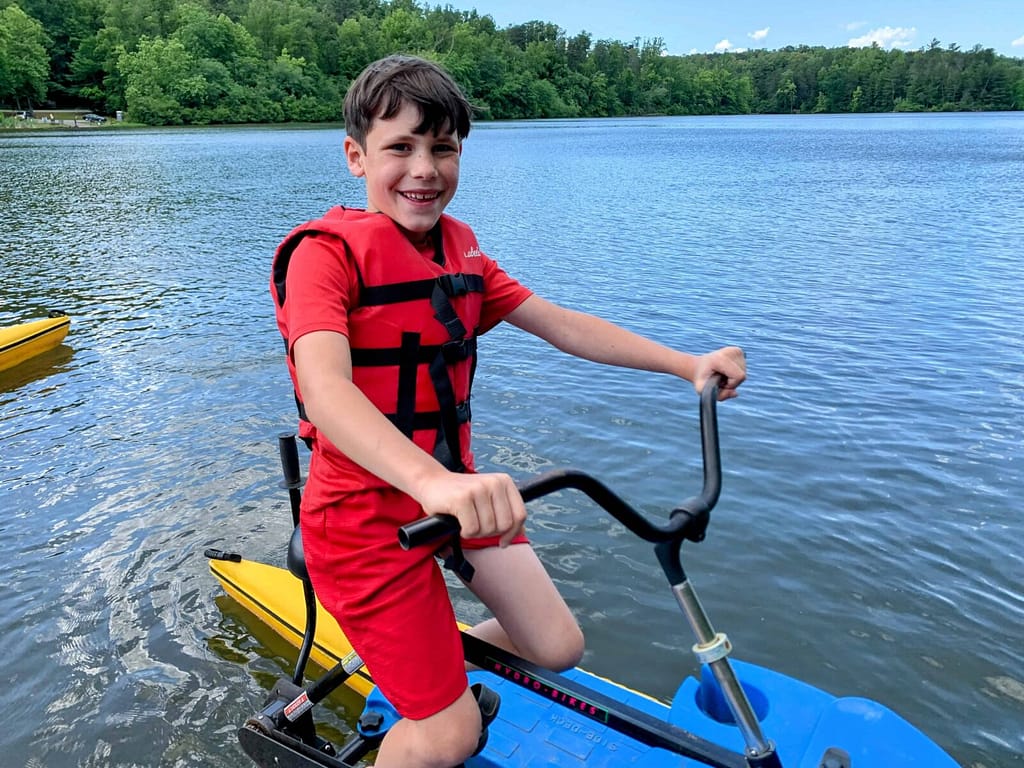
- water skiing
- snow skiing
- sledding
- riding in a Mule or 4 wheeler
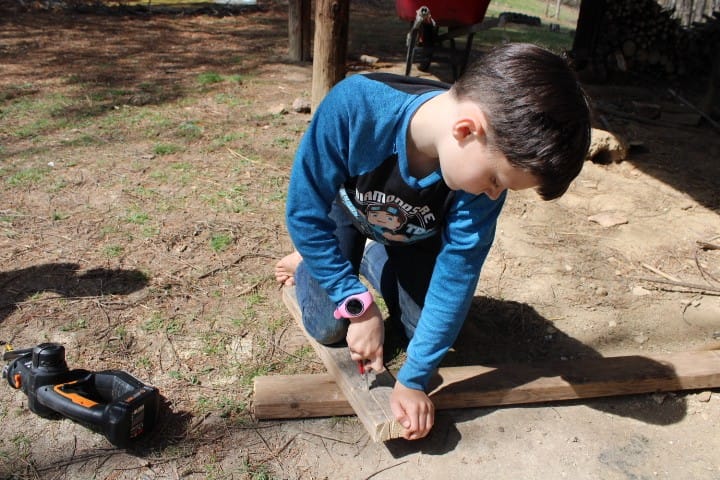
3. Dangerous Tools
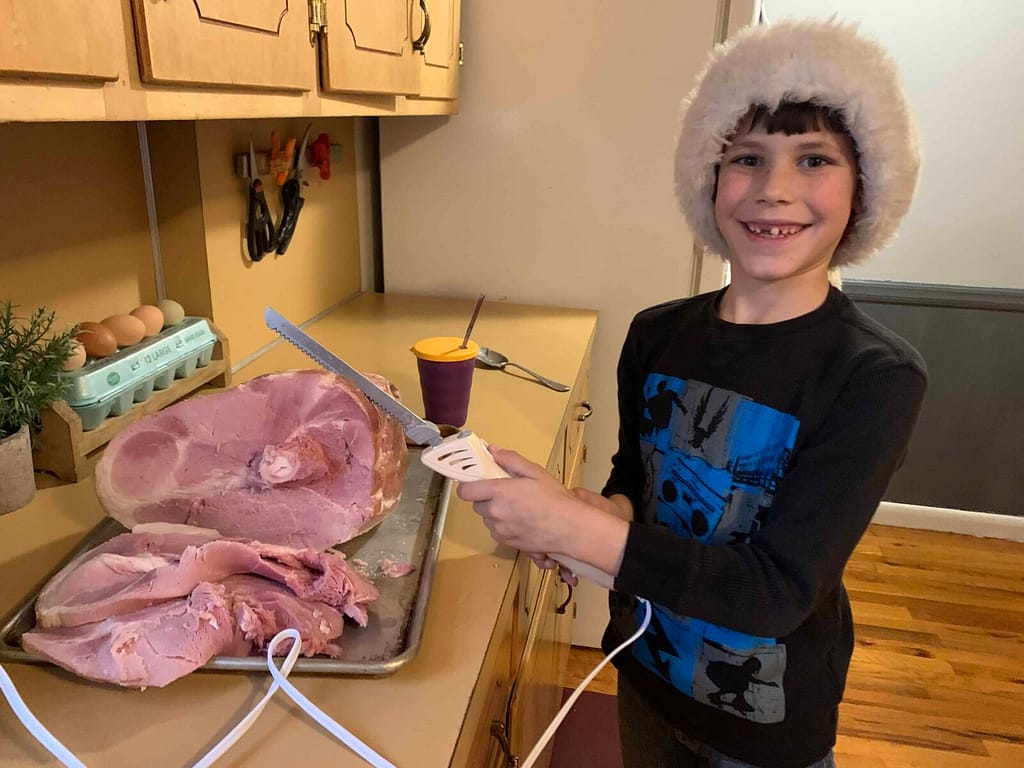
What it is: Using kitchen utensils, hammers, saws and other tools under supervision and taught the proper safety protocols.
What it teaches: Develops fine motor skills and practical understanding of safety.
What it looks like for littles:
- using play doh toys
- using cookie cutters
- spreading butter on toast or cutting string cheese with butter knife
- using child sized hammer
For older kids:
- ironing
- curling hair
- pocketknives
- saws
- hammers, drills, sanders, any tool
- chopping veggies
4. Dangerous elements:
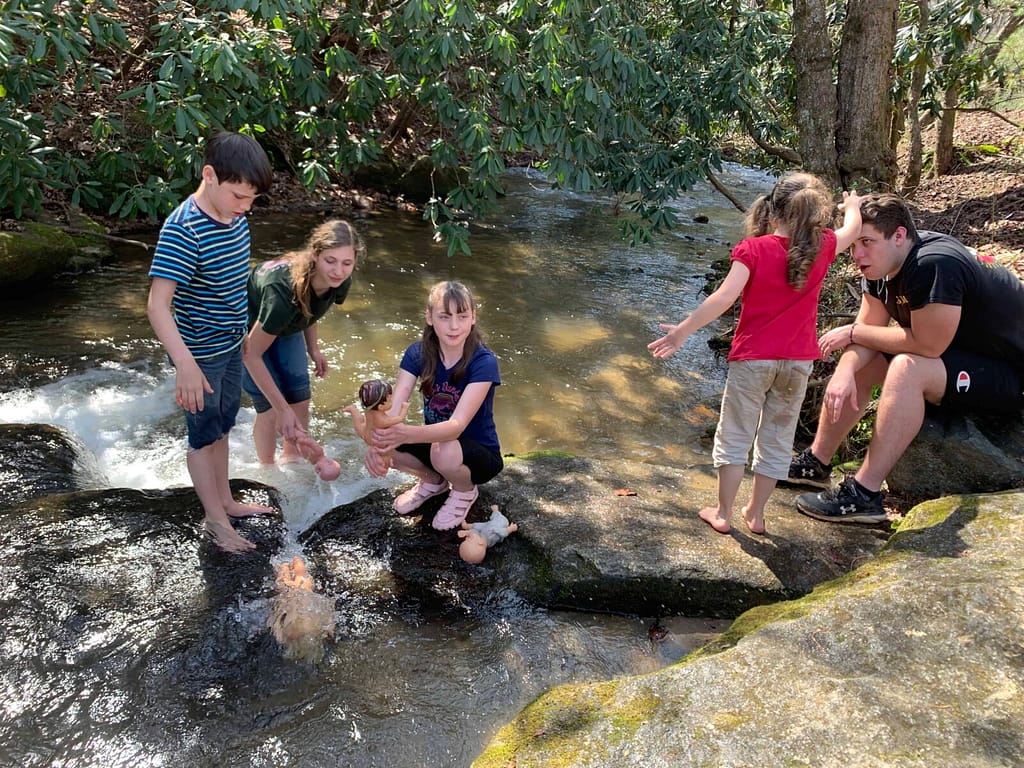
What it is: natural elements like fire, water, snow, and cliffs
What it teaches: Fosters healthy respect for nature and teaches environmental awareness.
What it looks like for littles:
- looking at candles
- playing in the snow
- splashing in puddles
- dumping water between two containers or tubs
- pouring water
- playing in kiddie pool
- sitting on parent’s lap to roast hot dog or marshmallow
For older kids:
- snowball fight
- building snow forts, playing in the cold for long periods
- lighting candles and fires
- roasting own hot dog and marshmallow
- putting out fires
- swimming in pools and lakes then eventually rivers and tubing down rapids
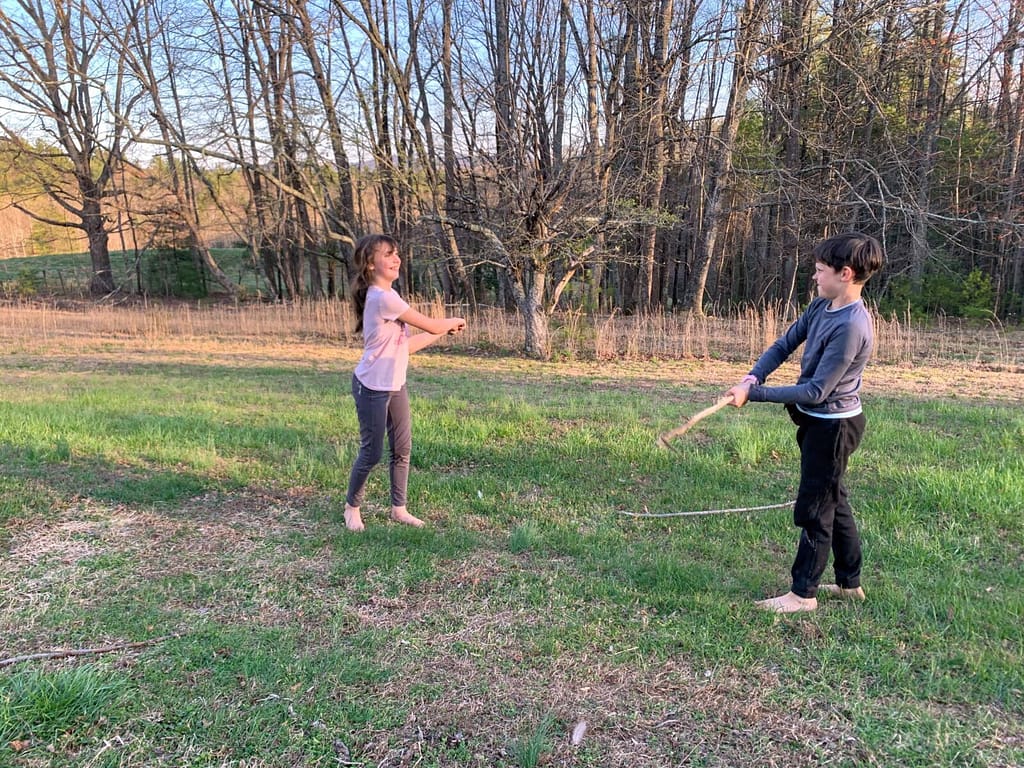
5. Rough and Tumble Play
What it is: wrestling, play fighting, sword fighting
What it teaches: Helps kids understand social cues and physical boundaries of themselves and others.
What it looks like for littles:
- tickling
- tackling
- throwing child in the air
For older kids:
- tackling
- tagging people out
- arm wrestling
- real wrestling
- sword fighting
- pillow fighting
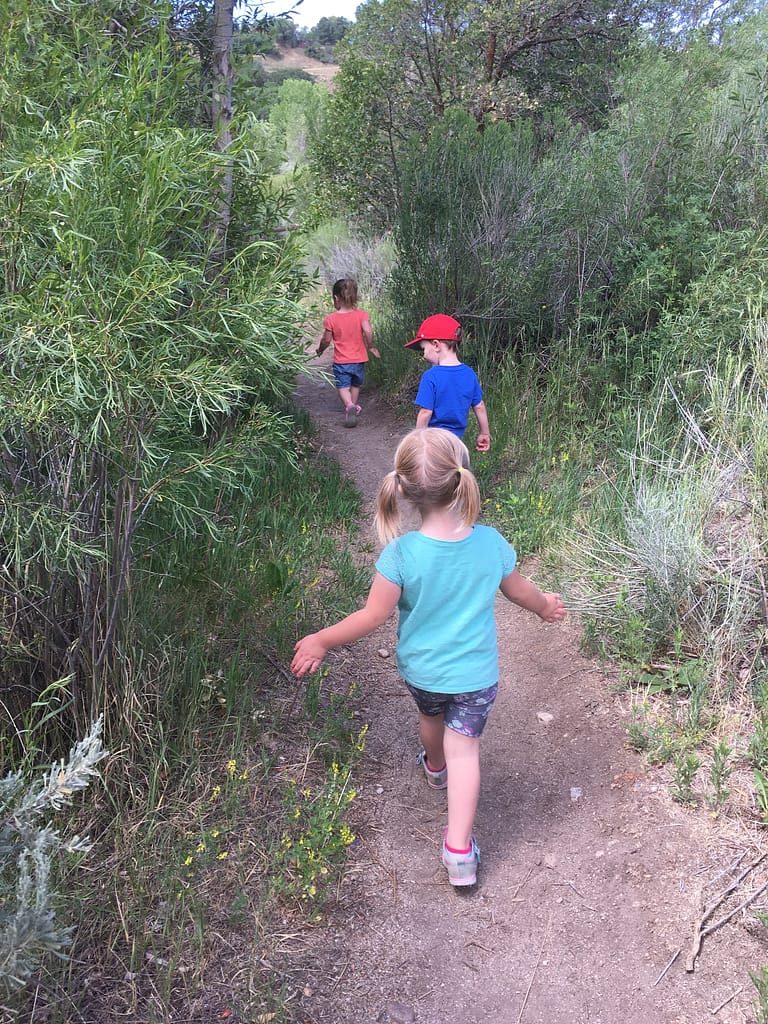
6. Independent Exploration
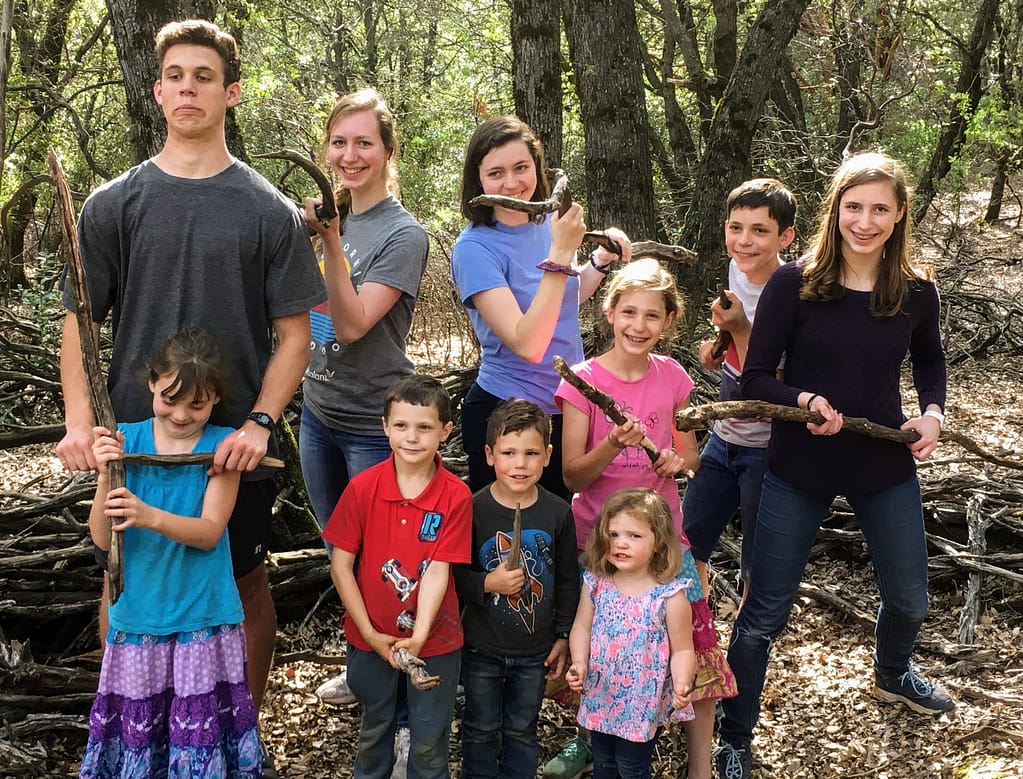
What it is: exploring places alone; any place where the child has the risk of getting lost or not seen
What it teaches: Kids learn to gauge distances as well as recognize and remember landmarks for navigation.
What it looks like for littles:
- playing peek-a-boo
- playing hide and seek
- playing in the sandbox while you sit nearby
- stepping away from the stroller to look at a flower or bug and coming back
- going to throw something away in a public place
- exploring book shelves at the library while parent sits nearby
- going into another room to get a diaper for baby sister
For older kids:
- playing hide and seek in large backyard or unfamiliar house
- escape room
- going a few aisles over at the grocery store to get something
- riding bike around the block
- exploring downtown alone or with friends
- playing in the woods with friends but not adults
- exploring a familiar park
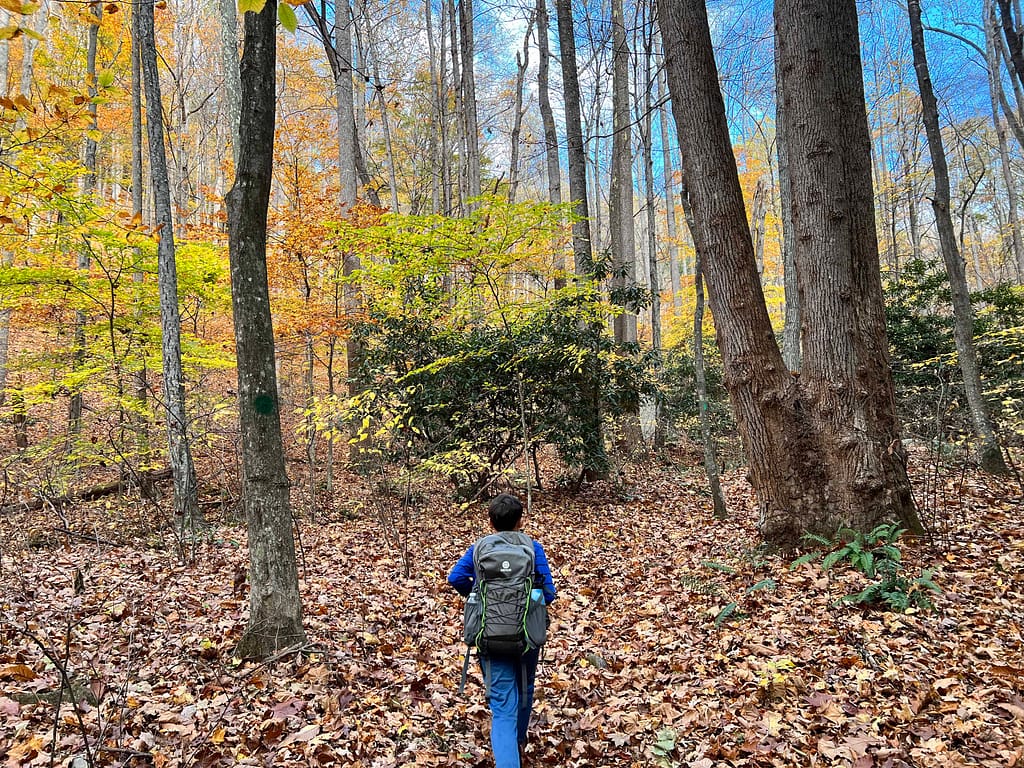
- going ahead of the group on a hike
- hiking, biking and eventually driving places alone
Aren’t these 6 risks so fascinating to learn about? I have always believed in the importance of risky play– that it is good for kids– but now the research has backed up my beliefs. And now I understand better why it’s important for their development. I definitely would rather they ride their bikes too fast as a child than drive the car too fast as a teen. I’d rather them go off exploring for an hour at 10 than run away from home at 16.
Still teach safety concerns and precautions about topics such as ticks, helmets, waterfalls, matches, frostbite, ladders, chainsaws, etc. Teach them proper clothing to wear and how to handle emergencies. Then be there to guide them, but let them also learn on their own. It’s ok if they get hurt or a little scared or cold. They are learning resiliency and seeing what their limits are. Risky play is so good for kids!
Check out my video on the importance of risky play!
