Especially for families with small children
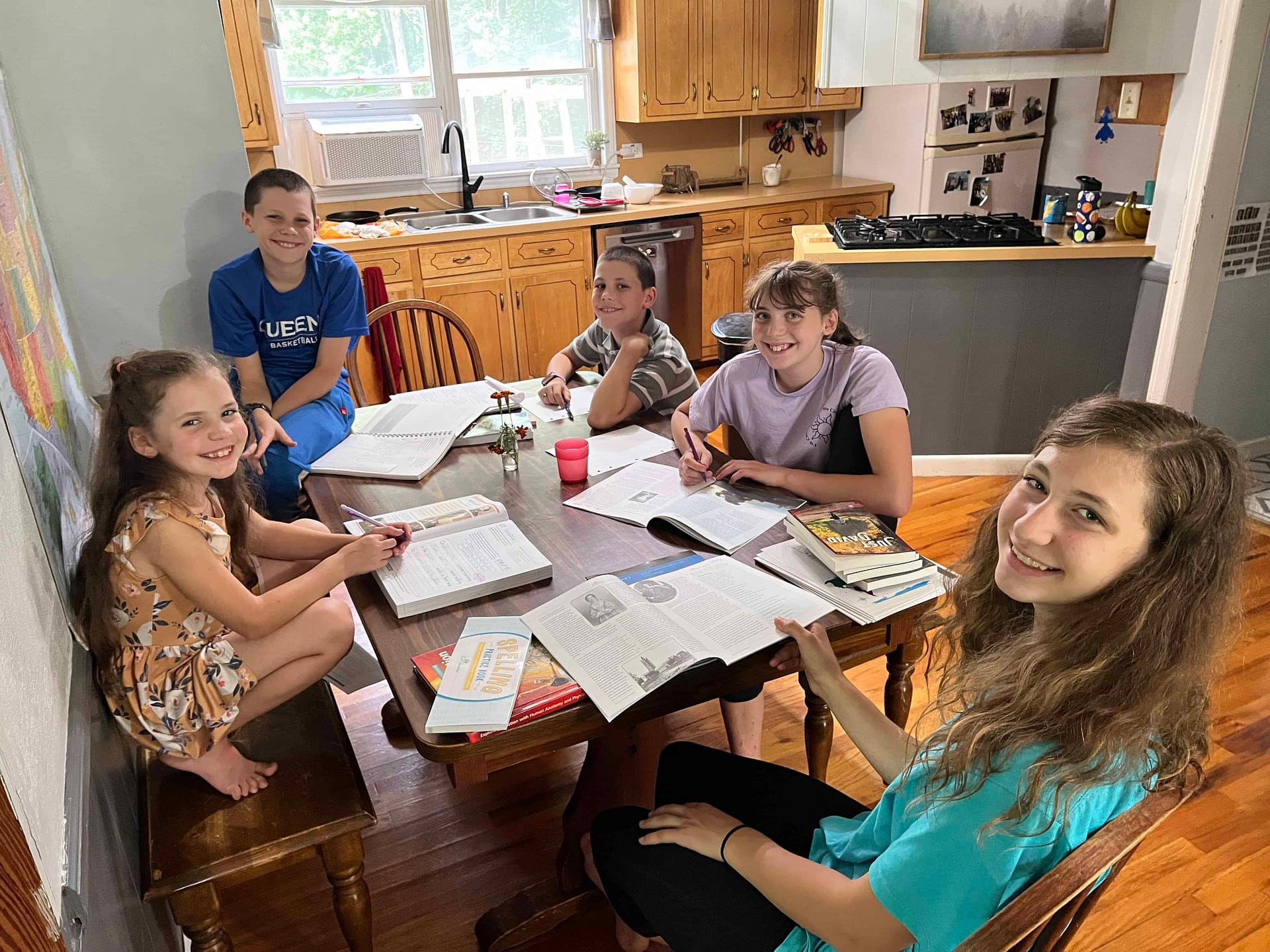
Homeschooling can and should be stress-free, fun, and deeply satisfying. I’m sad to hear reports of people making it more complicated and stressful than it needs to be. Children are designed by God to love learning and self-educate. By providing a smooth daily routine, immersive family lessons, access to open ended toys, plenty of play time, and of course lots of cuddles, your homeschool is sure to be a happy one.
Here are 20 Tips for a stress-free homeschool:
- Pray, meditate, exercise, and read something inspirational and motivational first thing in the morning if possible.
- Ex: ride exercise bike, jog, read scriptures or inspirational self-help books like The Miracle Morning or Dream It, Pin It, Live It.
- Have a simple morning routine for young’uns.
- Ex: They read until you get up, eat a simple breakfast, get everyone dressed and ready for the day, go for a family walk or bike ride or do an exercise video together.
- Keep babies on schedule. For babies under a year the schedule was generally 9-12, 2-5, and 7-8pm. Obviously the closer they got to a year, the naps got shorter and time between naps grew longer. Toddlers usually napped from 1-3 or 2-4. Bedtime for babies up to 9 months old was 11pm so they’d sleep till 7am.
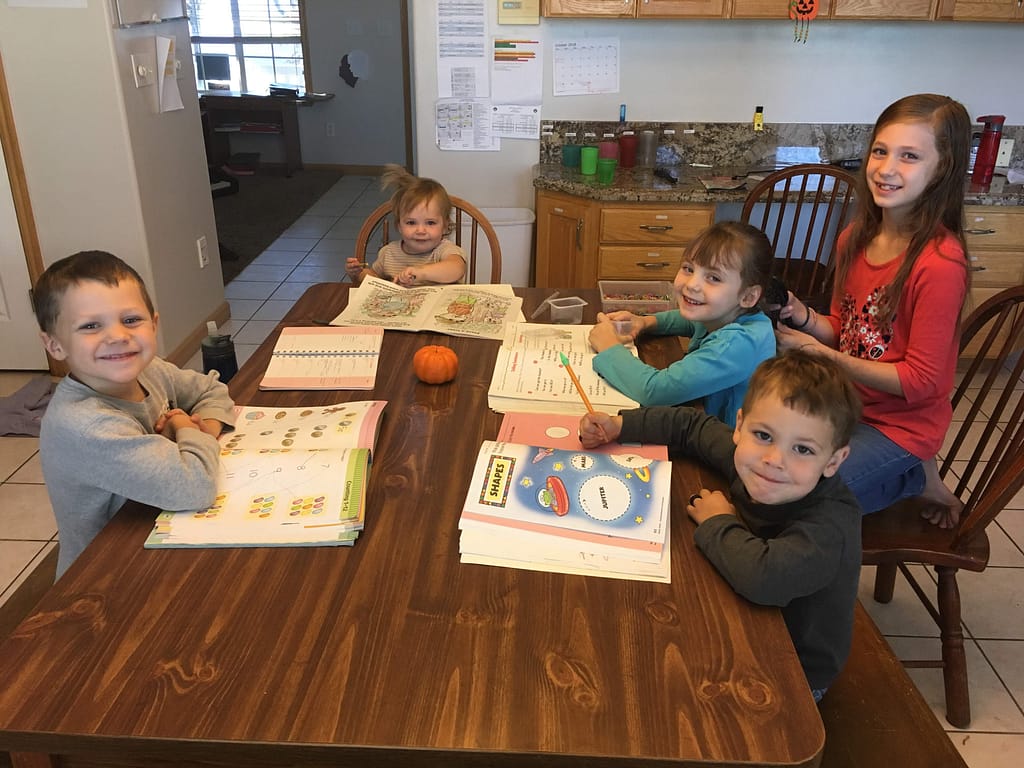
- Do the bulk of your homeschool from 9-11am while everyone is fresh and baby naps.
5. Plan/expect interruptions. The toilet overflows, the toddler smashes her finger, a salesperson comes to the door. Try to limit the interruptions but don’t get upset when they happen. Just keep going and try to enjoy these precious homeschool hours.
6. Don’t look at your phone. Be available from 9-11. If kids are busy working, start laundry, mop the floor, etc. A clean and organized house promotes a sense of peace and calmness for everyone. Being on your phone signals you’re not available to help children. Also, at the end of the day I promise you’ll feel much better about how your homeschool is going if you were off your phone those hours.
7. Eat lunch at 11 before kids get to “hangry” or toddlers have made a mess of the kitchen looking for something to eat. Play outside after lunch if kids are really little. If you have older kids, finish up school with them, outside if possible while little ones play.
8. Naps for toddlers from 1-3. Read aloud to older children. Then they have quiet/personal time. they can finish school, read by themselves, do a Magna Doodle, draw, play quietly by themselves.
9. Play outside until dinner. This keeps the house clean, gives the children plenty of fresh air and exercise, helps them be creative, helps them sleep better, a host of benefits!! (Listen to the 1000 Hours Outside Podcast!)
10. At lunch time put dinner in the crock pot. Or prepare a casserole to be ready to pop in the oven. Or have a dinner planned that will take less than 30 minutes when you do go inside. Like 7 layer dip, grilled cheese sandwiches, pasta, etc.
11. Eat dinner around 5. This also prevents the “witching hour” from happening where kids are grouchy from 5-6 while you’re preparing dinner.
12. For curriculum, use books you enjoy. Don’t worry about what others are using. You are the one who has to teach from it or help your child with it!
- Don’t use online curriculum. Keep screen usage to a minimum. Here is a great video about screens causing brain damage: News 10 report.
- Check out my other videos and blog posts about choosing a curriculum in my homeschool playlists/blog section.
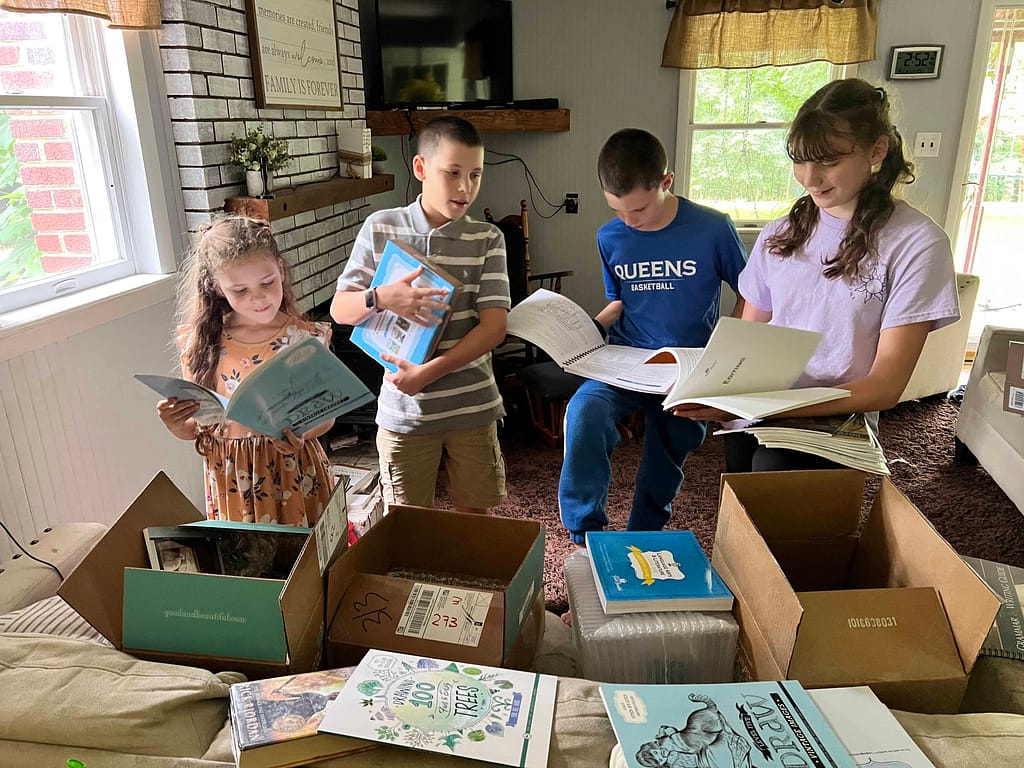
13. If a curriculum doesn’t work, quit it. It’s not a waste of money, you learned about an option that doesn’t work for you and you wouldn’t have known that unless you tried it.
14. Plan the bulk of your lessons in the summer so that each morning you can just look at the schedule and see where you’re supposed to be. Of course, you don’t have to stick to it and it’s great to follow your child’s interests throughout the year and incorporate those. But for the most part, every day will have a few lessons planned so you’re not just winging it or tempted to skip when the washing machine leaks or your husband stays home sick.
15. Don’t join too many co-ops, playgroups, story times, activities, etc. Try to limit most weeks to just once or twice a week so that you can maintain your nap, homeschool, meals, and playtime schedule. See if the groups can be clustered, for example arrange playgroups the same day as storytime is so that you can go to the library, do the grocery shopping, and attend playgroup all in one outing. Ask the kids which groups and activities they want to do and skip the ones they don’t. There are so many amazing free opportunities for little ones these days. You don’t have to attend every egg hunt, book babies, or free tumbling time you hear about. Staying home is also amazing for children and they’re learning more than you think.
16. Do as much school as possible outside. Do it on the picnic table, blanket on the grass, trampoline, tree house, anywhere!
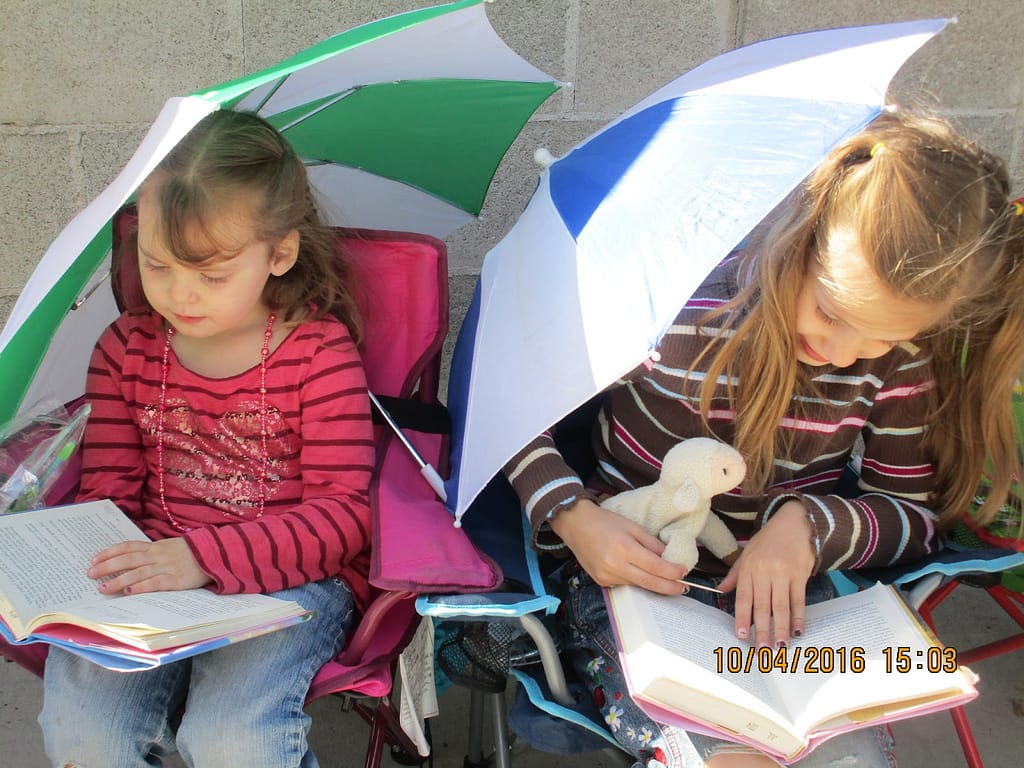
17. Go outside as much as possible throughout the day. Take kids outside right after breakfast (sets their circadian rhythm), eat meals outside, big kids stay outside and play while babies nap, play outside after dinner as a family. Take field trips to state parks, zoos, nature areas, and hikes as much as possible.
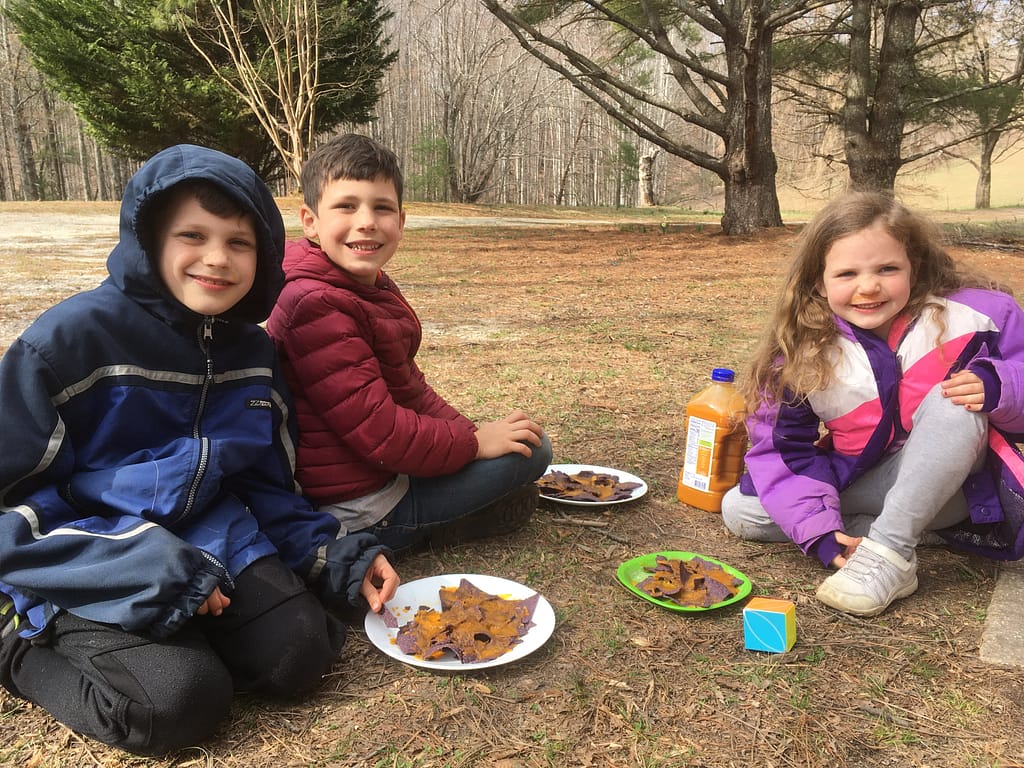
18. Even on days you do nothing, they’re still learning. As long as they’re not on electronics, all the playing children do is learning: fishing with ropes, playing restaurant or library, jumping on the trampoline, building forts, playing Legos, playing with play doh or in the sand box, etc. These are all valuable experiences in children’s education. It’s ok to not do book work when children are young and just let them play to their heart’s content.
19. As long as the family is happy, life is good. Stop and look around. If the family is happy, you’re doing great! Children usually love homeschooling as long as it’s not “school at home.” If they have some fun lessons that cultivate their interests and then plenty of free time to play, explore, build, and learn on their own, they will love homeschooling.
20. You got this!! Keep up the great work. Relax, your children are wonderful and they will continue to learn, thrive, and be happy children who turn into amazing adults.